Best Portable Leg Compression Devices for Travel
The best best portable leg compression devices for travel is the Nekteck AirFlow Go Cordless Calf Massager. It's the only pick on this list that pairs genuine cordless freedom with a 4.9/5 reported rating across a large buyer sample, which matters when you're squeezing recovery into a hotel room or a middle seat.
Want maximum leg coverage instead? The Comfytemp Air Compression Leg Massager wraps your feet and calves at the same time, as long as you don't mind staying near a wall outlet.
As an Amazon Associate, I earn from qualifying purchases.
This guide covers what most roundups skip: who genuinely gets nothing from compression boots, which sizing mistake drives most returns, and how corded versus cordless changes the way you actually use one. You can also read about how our editorial team works if you want the background.
Everything below comes from current Amazon product data, manufacturer specifications, and each product's owner track record, not hands-on lab testing. You can see how the site is funded if that matters to you.
Quick Answer: The Best Portable Leg Compression Devices for Travel
The Nekteck AirFlow Go Cordless Calf Massager wins because it's the only cordless model here that combines a top owner rating with a wrap that packs flat.
- Nekteck AirFlow Go Cordless Calf Massager (Best overall for frequent flyers): Cordless, 4.9/5 rated, packs into a carry-on.
- Comfytemp Air Compression Leg Massager (Best full foot and calf coverage): Two-zone wrap that reaches feet and calves.
- QUINEAR Air Compression Leg Massager Circulation (Best for RLS and swelling): Two modes and three intensities with a hand controller.
- FIT KING Upgraded Cordless Calf Massager (Best for athletes after training): Rechargeable and gym-bag friendly.
- Comfytemp Cordless Air Compression Calf Massager (Best cordless option with heat): Fits 13 to 18 inch calves and adds warmth.
Thinking about a medical-grade pump or a percussion gun instead? Jump to Who Should NOT Buy below before you spend anything.
Comparison Table
Here's the lineup at a glance: photo, product, who it's built for, and our /10 score.
| Photo | Product | Best for | Score | Buy |
|---|---|---|---|---|
 | Nekteck AirFlow Go Cordless Calf Massager | Cordless travel and flights | 9.4/10 | Check price → |
 | Comfytemp Air Compression Leg Massager | Foot and calf coverage | 8.6/10 | Check price → |
 | QUINEAR Air Compression Leg Massager Circulation | RLS and edema support | 8.1/10 | Check price → |
 | FIT KING Upgraded Cordless Calf Massager | Athletes and gym recovery | 8.3/10 | Check price → |
 | Comfytemp Cordless Air Compression Calf Massager | Cordless heat therapy | 9.0/10 | Check price → |
Scroll sideways on small screens to see every column.
Nekteck AirFlow Go Cordless Calf Massager: Best Overall for Frequent Flyers
Comfytemp Air Compression Leg Massager: Best Full Foot and Calf Wrap
QUINEAR Air Compression Leg Massager Circulation: Best for RLS and Swelling
FIT KING Upgraded Cordless Calf Massager: Best for Athletes After Training
Comfytemp Cordless Air Compression Calf Massager: Best Cordless Option With Heat
Buying Guide: Cordless Freedom, Coverage, Fit and Pressure Range
Air compression therapy works by inflating chambers inside a wrap in sequence, which pushes blood and lymph back toward the torso. These five picks all do that, but they split hard on three decisions: battery versus outlet, calf versus foot, and how much control you get over pressure.
Cordless or corded: which one actually travels?
If the device is going on a plane, in a car, or into a gym bag, cordless is not optional. The Nekteck AirFlow Go, the FIT KING Cordless Calf Massager, and the Comfytemp heat model all run on rechargeable batteries. The other two need a wall socket within cord reach.
Cordless units trade a little pressure ceiling and a shorter session window for real freedom. If your use case is "20 minutes in a hotel room after a flight," battery wins every time. If it's "an hour on the couch every evening," a cord is cheaper and never runs flat.
How much coverage do you actually need?
Calf-only wraps are lighter, cheaper, and easier to pack. Foot-and-calf designs like the Comfytemp Air Compression Leg Massager reach the area where travel and standing-all-day swelling shows up first.
Here's the trade-off in plain numbers. Calf-only wraps typically weigh well under half of a dual-zone system, and they fold flat instead of stacking. If your ankles and feet are the problem, though, a calf-only device simply won't reach them.
Sizing is where most returns happen
Compression wraps are sized, and they don't forgive. The Comfytemp heat model is built for 13 to 18 inch calves. Step outside that window and no amount of strap adjustment will fix it.
Measure the widest part of your calf with a soft tape, standing, and write the number down. If you're near either end of a stated range, choose a model with a wider strap instead of hoping. Persistent leg pain that doesn't ease with rest is a different problem, and it's worth reading about common training issues before you assume a gadget will solve it.
Pressure range and what the numbers mean
More intensity settings isn't automatically better. What matters is whether the lowest setting is gentle enough for a first session.
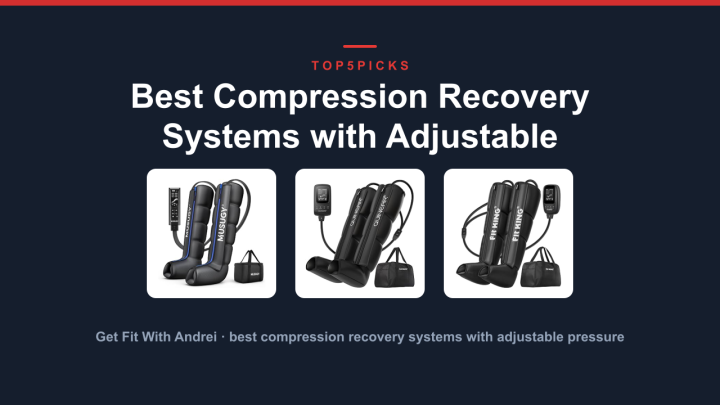
QUINEAR offers two modes and three intensities, the widest spread here. FIT KING matches it on count with three modes and three intensities. The practical rule: start on the lowest setting for 10 minutes, then step up only if it feels like a massage rather than a blood pressure cuff.
If you're adding recovery tools to a home setup, a set of adjustable dumbbells and a compression wrap cover different halves of the same problem, which is load and circulation.
Who Should NOT Buy Best Portable Leg Compression Devices for Travel
Compression wraps are the wrong purchase for three kinds of buyers. Here's who they are, and what to look at instead.
You Need a Diagnosed Medical Condition Treated
Air compression wraps are wellness devices, not medical devices cleared for treating disease. If you have a history of deep vein thrombosis, active clots, severe peripheral artery disease, or a healing fracture, this category is not for you.
Talk to your physician first, and if they clear you, follow their protocol on pressure and duration rather than a product manual. The U.S. Food and Drug Administration publishes guidance on which devices actually count as medical and require clearance, and a general-purpose massage wrap isn't in that group.
You Want Muscle Recovery for Quads and Hamstrings
None of these five devices touch your thigh. Every model here is a calf wrap, and two of them add feet. If you're chasing quad or hamstring recovery, you need a percussion massager or a foam roller instead.
You Want Compression Boots for a Whole Leg Protocol
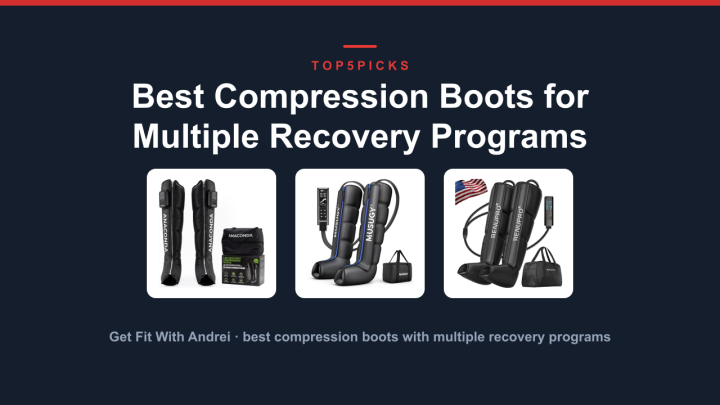
Full-leg sequential compression boots are a different product category with a different footprint. They usually need a pump unit, they cost more, and they take up floor space. Nothing on this list is pretending to be that.
If you'd rather keep the spend low, start with mobility work and a small-space training setup and add compression later. And if you're weighing a purchase against other home gear, the terms covering how we earn explain the commercial side clearly.
Final Verdict
The Nekteck AirFlow Go Cordless Calf Massager stays the pick for most people because it's cordless, it packs flat, and it carries the strongest owner track record in this lineup at 4.9/5 reported. If you fly, if you sit at a desk all day, or if you just want compression you can use without hunting for an outlet, that's your answer.
Want heat with your cordless session instead? The Comfytemp Cordless Calf Massager adds a warming layer and scores 9.0 here, provided your calves measure between 13 and 18 inches.
Need your feet covered too? The Comfytemp Air Compression Leg Massager is the only one here that compresses foot and calf in the same session. And if you want the widest pressure control for restless legs or mild swelling, the QUINEAR is the most adjustable wrap on the page.
One last thing before you buy: skim the Who Should NOT Buy section above. If you're waiting on a clot diagnosis or you want thigh recovery, none of these five will do the job, no matter how good the reviews look.
FAQ
What's the best portable leg compression devices for travel overall?
The Nekteck AirFlow Go Cordless Calf Massager. It's cordless, packs flat into a carry-on, and holds the highest reported owner rating here at 4.9/5, which makes it the safest default for travel use.
Is a cordless leg massager worth it compared to a corded one?
For travel, yes. Corded models like the Comfytemp dual-zone wrap and the QUINEAR deliver steadier pressure and never run out of charge, but they're stuck near a socket. If your sessions happen at home on a couch, a cord is cheaper and perfectly fine.
How long should you use a compression leg massager?
Most manufacturers suggest sessions of 15 to 30 minutes, and owner reports cluster around 20 minutes. Start on the lowest intensity for your first few sessions, then extend time before you increase pressure.
Can I use these on a plane?
Only the cordless models, and only if your airline's rules allow rechargeable personal devices in the cabin. The Nekteck, FIT KING, and cordless Comfytemp qualify on power. The two mains-powered units do not.
Will a calf massager help with swelling after a long flight?
Compression wraps can help with the mild puffiness and heaviness that comes from sitting still for hours. They are not a substitute for movement, hydration, or medical advice, and swelling in one leg only needs a doctor's attention, not a product page.
Do these devices fit larger calves?
It depends entirely on the model. The Comfytemp heat version tops out at 18 inches, while the QUINEAR and Comfytemp dual-zone wraps use more generous adjustable straps. Measure your calf before ordering, because a wrap that's too snug is the number one reason these get returned.

Similar Posts