Best Reusable Hot & Cold Packs for Athlete Pain Relief
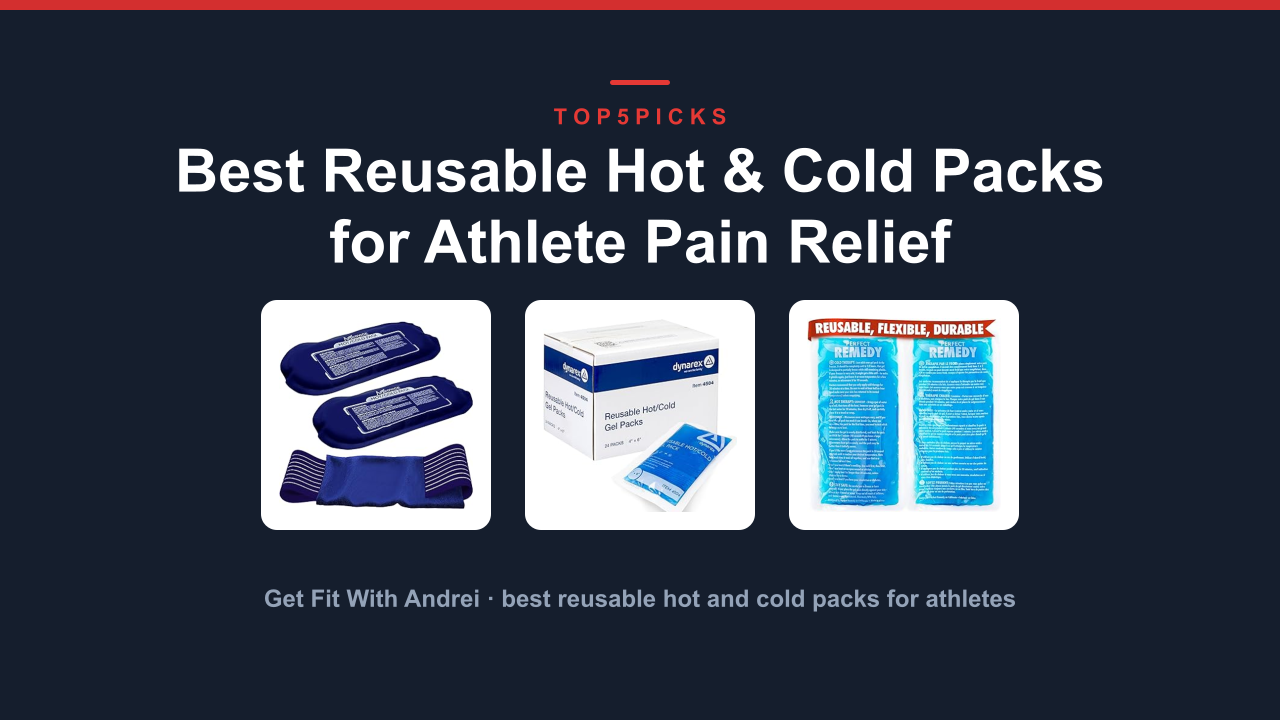
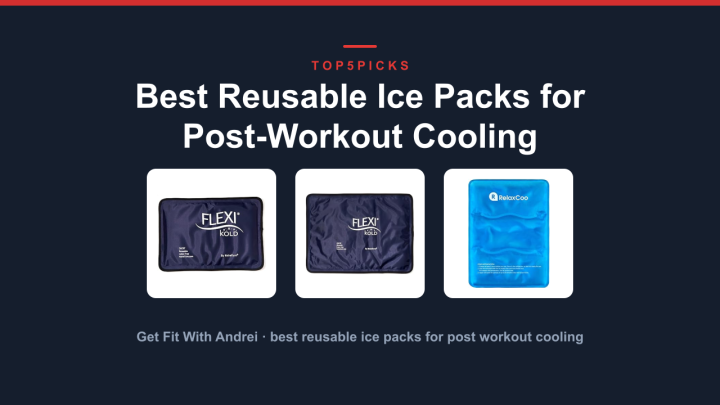
The best best reusable hot and cold packs for athletes is the Reusable Hot Cold Ice Packs Injuries three-piece set, the only kit here that puts three packs in one box so you can keep one on a knee while the others refreeze. It suits anyone icing more than one joint in a normal week.
Want a hands-free option instead? The REVIX Ice Injuries Reusable adds an adjustable strap that holds the wrap in place while you walk around, though the contoured fit takes a bit of fiddling to get right.
As an Amazon Associate, I earn from qualifying purchases.
This guide covers what actually decides whether a pack gets used: gel behaviour, session length, and whether the shape suits a shoulder or just a shin. If you're rehabbing a diagnosed injury, or you want a machine-grade cold and compression unit, skip this category completely.
Everything below comes from current Amazon product data, published specs and each pack's owner track record. Nobody on our team strapped these to a real hamstring, and we won't pretend otherwise.
Quick Answer: The Best Reusable Hot and Cold Packs for Athletes
The Reusable Hot Cold Ice Packs Injuries three-piece set wins because three packs in one box means one is always refreezing while another is in use.
- Reusable Hot Cold Ice Packs Injuries (Best Overall): Three-pack rotation with a reported 4.6 out of 5 rating.
- Dynarex Reusable Hot Cold Gel Packs (Best Bulk Case): 24 slim packs per case for benches and clinics.
- Perfect Remedy 2-Pack Gel Ice Packs (Best Soft Fit): Gel stays flexible at freezer temperature for bony joints.
- REVIX Ice Injuries Reusable (Best Hands-Free): Adjustable strap keeps the wrap on while you move.
- Ice Packs Injuries Reusable (3-Piece Set) (Best Contoured Set): Shaped wraps built around knees and lower backs.
Thinking about a cold-and-compression machine or a deep heat wrap instead? Jump to Who Should NOT Buy below before you spend anything.
Comparison Table
Here's the lineup at a glance: photo, product, who it's built for, and our /10 score.
| Photo | Product | Best for | Score | Buy |
|---|---|---|---|---|
 | Reusable Hot Cold Ice Packs Injuries | Best Overall for Everyday Recovery | 9.1/10 | Check price → |
 | Dynarex Reusable Hot Cold Gel Packs | Best Bulk Case for Teams | 8.4/10 | Check price → |
 | Perfect Remedy 2-Pack Gel Ice Packs | Best Soft Pack for Bony Joints | 8.9/10 | Check price → |
 | REVIX Ice Injuries Reusable | Best Hands-Free Wrap | 8.7/10 | Check price → |
 | Ice Packs Injuries Reusable (3-Piece Set) | Best Contoured Set for Knees | 9.0/10 | Check price → |
Scroll sideways on small screens to see every column.
Reusable Hot Cold Ice Packs Injuries: Best Overall for Multi-Joint Recovery
Dynarex Reusable Hot Cold Gel Packs: Best Bulk Buy for Teams and Clinics
Perfect Remedy 2-Pack Gel Ice Packs: Best Soft Pack for Bony Joints
REVIX Ice Injuries Reusable: Best Hands-Free Wrap
Ice Packs Injuries Reusable (3-Piece Set): Best Contoured Set for Knees and Backs
Buying Guide: Pack Count, Gel Behaviour, Session Length and Skin Safety
Four things decide whether a reusable pack actually gets used or ends up at the back of a drawer. None of them are marketing features, and all four are visible in the specs above.
How many packs do you actually need?
You need at least one cooling while another works, which means two is the floor and three is comfortable. That's the whole logic behind the three-piece injuries set taking the top spot: it removes the waiting. Sessions of 15 to 20 minutes mean a single pack thaws and warms back up before your next round, so one pack genuinely can't keep up.
If two people in your house train, or you're treating a team, the maths changes fast. That's when a 24-pack case starts to make sense instead of a premium two-pack.
Does the gel stay soft when frozen?
This is the single biggest difference between a pack you'll use and one you'll hate. Soft, pliable gel moulds around a bony ankle or a collarbone. Hard-frozen gel sits on top of it and leaves you pressing down to feel anything.
The wording to look for in a listing is gel that stays flexible at freezer temperature. That pattern appears in the Perfect Remedy two-pack and it's why that pack scores well on fit despite being a simple flat rectangle. If a listing doesn't mention flexibility, assume the pack stiffens.
Cold or heat, and for how long?
Every pack here works both ways, which is the reason reusable gel beats a bag of frozen peas. Cold is for the first day or two after a knock, when swelling and sharp pain are the problem. Heat is for the tight, stiff, achy feeling that shows up later.
Cap either one at roughly 20 minutes per session, with a thin cloth between the gel and your skin. Cold that's applied too long irritates skin and can cause a cold burn, and the same goes for heat on a numb patch of skin. The American Academy of Orthopaedic Surgeons sets out the general cold and heat therapy guidance that most rehab protocols follow, and it's worth a read before you start a daily icing habit.
Why a cloth barrier matters more than gel type
A cloth layer isn't a suggestion, it's the difference between therapy and injury. Gel packs sit colder than ice in a bag, and direct skin contact for a long session can leave a burn that takes weeks to settle.
Use a thin towel, a pillowcase or a training sleeve. The U.S. Food and Drug Administration classifies many of these products as medical devices with usage instructions for exactly this reason: follow the maximum time and never apply a pack to broken skin or over a numb area.
If you're managing a diagnosed injury, a doctor or physio sets the schedule, not a product listing.
And if you're building out a home recovery corner, it's worth pairing a good pack with the right load. Keep sessions sensible, and when something hurts in a way that doesn't feel like normal training soreness, that's a different conversation entirely.
Who Should NOT Buy Best Reusable Hot and Cold Packs for Athletes
This category is the wrong purchase for three kinds of buyers. Here's who they are, and what to look at instead.
You need compression with your cold
If your rehab plan calls for cold and measurable compression at the same time, a gel pack can't deliver it. Compression matters most in the first 48 hours after a sprain, when swelling control is the goal, and getting it wrong can slow you down.
What to look at instead: a cold therapy unit with an inflatable cuff and a pump, or an elastic wrap layered over a gel pack under a physio's guidance. A plain pack with a cloth barrier does a fine job for everyday aches, but it won't replace a compression protocol.
You're dealing with a chronic or diagnosed condition
Ongoing joint pain, a suspected stress fracture, or a nerve issue isn't something you manage with a freezer pack and hope. This lineup is built for ordinary training soreness and minor knocks, full stop.
What to look at instead: proper assessment first. Get a diagnosis, then use packs as one tool within a plan. If you're already tracking recurring flare-ups, our notes on common training setbacks are a sensible place to start thinking about causes rather than symptoms.
You want heat for hours, not 20 minutes
Gel packs give you roughly 15 to 20 minutes and then they're done. If your version of relief is a long, slow, steady warmth across a stiff lower back through an evening, a pack will disappoint you.
What to look at instead: a plug-in heat pad with adjustable temperature, or a heat wrap designed for extended wear. Keep a gel pack for targeted, short bursts and let a powered pad handle the long, gentle sessions.
Final Verdict
The Reusable Hot Cold Ice Packs Injuries three-piece set takes the top spot because it solves the real problem: rotation. Three packs in one box means you're never sitting there waiting for a single pack to refreeze.
Want a hands-free option? The strapped REVIX wrap holds itself against the joint so you can move around while you ice. It's the pick if you hate sitting still.
Need a pack that moulds to a bony ankle instead of sitting stiff on top? The Perfect Remedy two-pack keeps its gel soft even straight out of the freezer. And if you're equipping a team rather than a single athlete, the Dynarex case gives you 24 slim packs at once.
If you're treating a diagnosed injury, chasing compression, or want hours of heat rather than 20 minutes of cold, go back and read the Who Should NOT Buy section above before you buy anything.
FAQ
What's the best Reusable Hot and Cold Packs for Athletes overall?
The Reusable Hot Cold Ice Packs Injuries three-piece set. It carries a reported 4.6 out of 5 owner rating and gives you three packs, so one refreezes while another is in use. That rotation is the reason it edges out the other picks here.
How long should I leave a gel ice pack on?
Around 15 to 20 minutes per session, with a thin cloth between the pack and your skin. Longer sessions risk irritating or burning skin, especially on areas with less fat over the bone. Wait at least an hour before repeating.
Can I use the same pack for heat and cold?
Yes, every pack in this lineup works both ways. Freeze it for cold sessions and microwave it for warm ones. Check the manufacturer's heating time before you start, and test the temperature on your inner wrist first.
Do reusable gel packs actually stay cold long enough?
A thick contoured wrap holds cold longer than a slim flat pack, which is why the shaped sets here score better on cold retention. For a typical 15 to 20 minute session, most packs in this roundup are still working when the timer goes off.
What should I put between the pack and my skin?
A thin towel, a pillowcase or a training sleeve all work. The barrier spreads the cold so you don't get one intensely cold spot, and it protects skin from a cold burn. Never apply a pack directly to bare skin for a full session.
Are these packs safe to microwave?
Most are, but the heating time varies by pack size and wattage, so follow the label rather than guessing. Heat in short bursts, knead the gel between them, and stop if the pack feels uncomfortably hot. If a pack's seam looks stretched or the film feels fragile, replace it.

Similar Posts