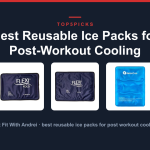
Best Flexible Ice Packs for Knees & Elbows
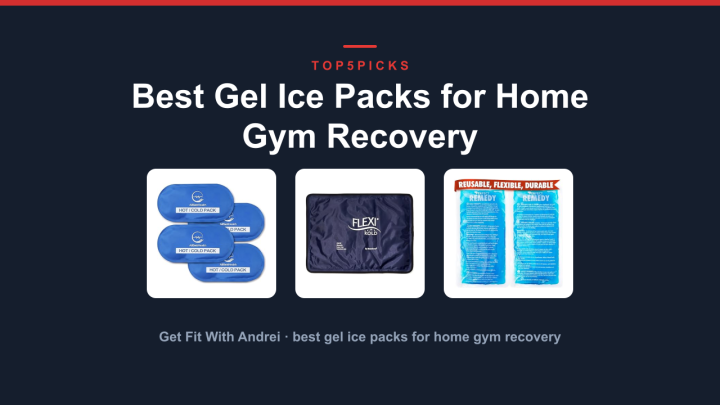
If you want the best best flexible ice packs for knees and elbows, the FlexiKold Gel Ice Pack in Standard Large is our top pick. Its 10.5 x 14.5 inch gel surface folds over a swollen knee or a bent elbow without freezing into a rigid brick, and it carries a 4.7/5 buyer rating.
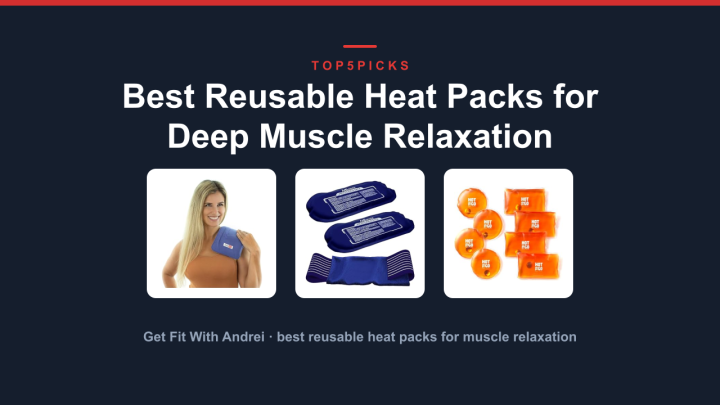
Want to swap between heat and cold without buying twice? The Reusable Hot Cold Ice Packs 3-piece set covers both, as long as you don't need one big pack for a full knee.
As an Amazon Associate, I earn from qualifying purchases.
This guide covers the sizing, refreeze and hygiene details most listings bury, plus the buyers who should skip this whole category (they get their own section further down).
One honest note: everything here comes from current Amazon product data, manufacturer specs and each pack's owner track record, not hands-on lab testing. You can read how we work if that matters to you.
Quick Answer: The Best Flexible Ice Packs for Knees and Elbows
The FlexiKold Standard Large takes the top spot because its 10.5 x 14.5 inch surface covers a whole knee joint in one pass and stays pliable when frozen.
- FlexiKold Gel Ice Packs (Standard Large (Best overall for knees): Huge drapable gel pack with a 4.7/5 owner rating.
- Reusable Hot Cold Ice Packs Injuries (Best hot and cold set): Three packs, heat or ice, 4.6/5 from buyers.
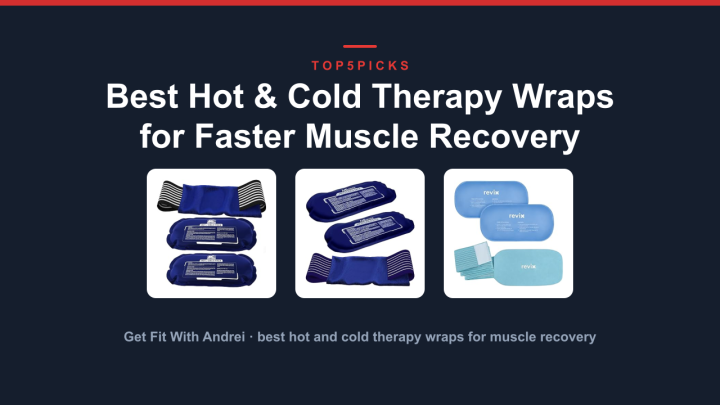
- Reusable Gel Ice 2 Soft Cold (Best hands-free wrap): Adjustable straps hold the pack while you move around.
- AiricePac Ice Knee Pain Relief (Best shaped knee wrap): Cut for the kneecap, aimed at ACL and post-surgery swelling.
- Ice Packs Injuries Reusable (3-Piece Set) (Best starter bundle): Three mixed shapes for a household icing different joints.
Thinking about a heat-only pad or a compression machine instead? Jump to Who Should NOT Buy below before you spend anything.
Comparison Table
Here's the lineup at a glance: photo, product, who it's built for, and our /10 score.
| Photo | Product | Best for | Score | Buy |
|---|---|---|---|---|
 | FlexiKold Gel Ice Packs (Standard Large | Full knee or back coverage | 9.2/10 | Check price → |
 | Reusable Hot Cold Ice Packs Injuries | Heat and ice in one set | 8.7/10 | Check price → |
 | Reusable Gel Ice 2 Soft Cold | Hands-free elbow and knee wraps | 8.4/10 | Check price → |
 | AiricePac Ice Knee Pain Relief | Shaped wrap for post-surgery knees | 8.1/10 | Check price → |
 | Ice Packs Injuries Reusable (3-Piece Set) | Household kit, mixed sizes | 7.9/10 | Check price → |
Scroll sideways on small screens to see every column.
FlexiKold Gel Ice Packs (Standard Large: Best Overall for Knee and Back Recovery
Reusable Hot Cold Ice Packs Injuries: Best Hot and Cold Set for Joints
Reusable Gel Ice 2 Soft Cold: Best Hands-Free Strap Wrap for Elbows
AiricePac Ice Knee Pain Relief: Best Shaped Knee Wrap for Post-Surgery Swelling
Ice Packs Injuries Reusable (3-Piece Set): Best Starter Kit for a Whole Household
Buying Guide: Coverage, Cold Retention, Hot and Cold, and Fit
The right pack comes down to four decisions: how much joint you need to cover, how long the cold lasts, whether you want heat as well, and whether it will stay where you put it.
How much coverage does your knee or elbow actually need?
A knee joint sits roughly 4 to 5 inches across at the patella, but swelling spreads well past the kneecap on both sides. That's why surface area beats thickness for knees. The 10.5 x 14.5 inch FlexiKold covers that spread in one layer, while the contoured AiricePac wrap hugs the cap itself for swelling right at the joint line.
Elbows are different. They're smaller and they bend, so a wrap that cinches is often better than a flat sheet. Hand-readable reviews on the strap-based two-pack mention elbows as a frequent use, which lines up with that shape logic.
The three-piece bundle sits in the middle: no single pack is huge, but between them you can cover a knee, a lower back and a shoulder in the same household.
Cold retention: what actually makes a pack stay cold longer?
Cold retention is a function of gel mass and pack thickness, not brand claims. Thicker packs hold a lower temperature for longer, which is why an XL flat pack typically outlasts a slim contoured wrap. If your icing sessions run longer than 20 minutes, you'll want the thicker option or a rotation of two packs.
Rotation is the practical trick nobody mentions. A set of two or three lets you swap the warm one for a cold one without ending the session early. That's the strongest argument for the multi-pack sets on this list.
Do you need heat as well as cold?
If you're managing a chronic joint issue, heat and cold do different jobs. Cold reduces swelling and numbs sharp pain after a strain, sprain or surgery. Heat loosens stiffness and increases blood flow before activity.
A pack that does both gives you one tool for the whole cycle.
Three of the five picks here are hot and cold capable. The FlexiKold is cold only, which is the trade-off for its size and staying power. The three-pack hot and cold set covers both modes for one household.
One safety note worth repeating: the CDC recommends limiting cold application to avoid tissue damage, and the standard guidance is roughly 15 to 20 minutes per session. More info sits on the CDC site if you want the official wording.
Fit, straps and staying in place
A pack only works while it's on the joint, and that's where straps earn their place. Flat packs need a hand or a wrap to stay put, which rules them out if you want to keep working while you ice. Strap-based wraps solve that on elbows and small knees, but they run out of length on large thighs.
So the fit question is really a mobility question:
- Icing while sitting or lying down: a large flat pack gives you the most coverage.
- Icing while mobile or working at a desk: a strap wrap keeps both hands free.
- Icing a specific joint shape (kneecap): a contoured wrap follows the body better.
Who Should NOT Buy Flexible Ice Packs for Knees and Elbows
This category is the wrong purchase for three kinds of buyers. Here's who they are, and what to look at instead.
You need continuous compression therapy
If you're recovering from major surgery and your care team wants you on a cold compression machine, a gel pack won't replicate that. Those units circulate chilled water through a wrap at a steady temperature for hours, which no freezer pack can match. A gel pack is the at-home, low-cost version of that idea, not a replacement.
You have circulation problems or reduced skin sensation
Neuropathy, poor circulation or any condition that limits your ability to feel temperature changes makes ice packs risky. You can't reliably tell when a pack is causing tissue damage. Talk to your clinician before using any cold therapy product, and see the disclaimer page for how we frame health-adjacent content.
You only get occasional stiffness, not swelling
If your issue is a tight muscle rather than swelling, heat is the better tool. A microwave heat wrap or a hot bath does more for stiffness than a gel pack that spends most of its life in the freezer. Buy heat first in that case.
If you've ruled those out, any of the five picks above will do the basic job well. If you're managing a broader workout recovery routine, our workout problems section covers the rest.
Final Verdict
The FlexiKold Gel Ice Pack in Standard Large is still the answer for most people. It covers a whole knee, stays pliable when frozen, and holds a 4.7/5 rating over a large buyer base. If you could only own one pack, this is the one.
Want heat as well as cold? Get the Reusable Hot Cold 3-piece set. It trades maximum coverage for flexibility, and covers a household in one purchase.
Need hands-free icing while you move? The strap wrap two-pack is the practical choice for elbows and smaller joints. If you're specifically rehabbing a knee after surgery, the AiricePac contoured wrap follows the kneecap in a way a flat sheet can't.
And if you fall into any of the three groups in the section above, put the money toward the right tool instead. Questions about how we put this together? The contact page is open.
FAQ
What's the best flexible ice packs for knees and elbows overall?
The FlexiKold Gel Ice Pack in Standard Large. Its 10.5 x 14.5 inch surface covers a full knee, it stays soft when frozen, and it carries a 4.7/5 rating. For elbows specifically, the strap-based two-pack is often more practical because it stays on while you move.
How long should I leave an ice pack on a knee or elbow?
Around 15 to 20 minutes at a time, with the skin protected by a thin cloth. Longer sessions don't speed recovery and can cause cold burns. Wait at least an hour before icing again so the skin can rewarm.
Can I put these gel packs in the microwave?
Only the ones the maker labels as hot and cold capable. The FlexiKold is meant for the freezer. Heating a freezer-only gel pack can burst the seams and void any warranty, so check the listing before you warm anything.
How long do gel ice packs stay cold?
It depends on gel mass and thickness. A large flat pack like the FlexiKold typically stays usefully cold longer than a slim contoured wrap. If your sessions run past 20 minutes, buy a two or three pack set and rotate them.
Are flexible ice packs safe after knee replacement surgery?
They're widely used for post-op swelling, but follow your surgeon's instructions first. Skin around a fresh incision is sensitive, and you should always use a cloth barrier. The AiricePac wrap is shaped for that use case, but the medical guidance beats the product listing.
Do I need to wrap a gel pack in a towel?
Yes, for the first few minutes at least. A pack straight out of the freezer can frost the skin within seconds. A single layer of thin cotton keeps the cold penetrating while protecting the surface.
Once the initial chill fades, most people can use the pack's own fabric cover alone.

Similar Posts