Best Soft Foam Rollers for Beginners to Soothe Sore Muscles
The best soft foam rollers for beginners pick is the 18-inch OPTP PRO-Roller Soft Density Foam Roller, the only roller here short enough to steer under one calf without sliding away from you. It suits anyone rolling for the first time who wants pressure that feels supportive instead of punishing.
Want full-length coverage instead? The 36-inch version of the same roller gets you there, as long as you're fine with a bigger footprint and a roller that stays home rather than traveling with you.
As an Amazon Associate, I earn from qualifying purchases.
This guide walks through the specs, owner feedback and honest limits of five soft rollers, plus the buyers who should skip this category entirely. That skip section is worth reading before you spend anything.
Everything below comes from current Amazon product data, manufacturer specifications and each roller's owner track record, and you can see how we fund this site if you want the details.
Quick Answer: The Best Soft Foam Rollers for Beginners
The 18-inch OPTP PRO-Roller Soft Density Foam Roller takes the top spot because its short, soft build is the easiest thing here to control during a first rolling session.
- OPTP PRO-Roller Soft Density Foam Roller (18 in) (Best overall for first-time rolling): short, soft foam that's simple to steer under one leg.
- OPTP PRO-Roller Soft Density Foam Roller (36 in) (Best for full-length back work): the same gentle density spread across a full 36 inches.
- Soft Density Foam Roller 36 x 6 (Best budget full-size option): full-length coverage at the lowest cost in the group.
- TriggerPoint Foundation Roller Premium EVA Foam (Best for travel and gym bags): a compact EVA build that packs far more easily.
- OPTP PRO-Roller Super Soft Density Foam (Best for tender, sensitive muscles): the gentlest foam on this list for daily use.
Thinking about a firm textured roller or a massage gun instead? Jump to Who Should NOT Buy below before you spend anything.
Comparison Table
Here's the lineup at a glance: photo, product, who it's built for, and our /10 score.
| Photo | Product | Best for | Score | Buy |
|---|---|---|---|---|
 | OPTP PRO-Roller Soft Density Foam Roller | First-Time Home Rolling | 9.2/10 | Check price → |
 | OPTP PRO-Roller Soft Density Foam Roller | Full-Length Legs and Back | 8.9/10 | Check price → |
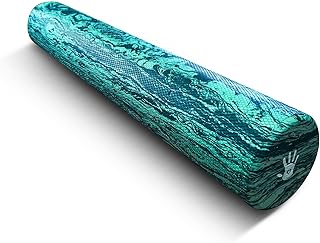 | Soft Density Foam Roller 36 x | Budget-Friendly Full Size | 8.3/10 | Check price → |
 | TriggerPoint Foundation Roller Premium EVA Foam | Travel and Gym Bags | 7.4/10 | Check price → |
 | OPTP PRO-Roller Super Soft Density Foam | Tender and Sensitive Muscles | 8.6/10 | Check price → |
Scroll sideways on small screens to see every column.
OPTP PRO-Roller Soft Density Foam Roller: Best Overall for Beginners
OPTP PRO-Roller Soft Density Foam Roller: Best for Full-Length Work
Soft Density Foam Roller 36 x: Best Budget Full-Size Pick
TriggerPoint Foundation Roller Premium EVA Foam: Most Portable for Travel
OPTP PRO-Roller Super Soft Density Foam: Best for Tender Muscles
Buying Guide: Foam Density, Length, Diameter and Durability
A soft foam roller is a cylindrical foam tool that uses body weight and gravity to apply compression to muscle and fascia. That's the whole mechanism, and it's why foam density matters more than any brand logo.
How soft should a beginner roller actually be?
Foam density is the single biggest decision, and it's the one beginners get wrong most often. The softest build here is the OPTP Super Soft, while the standard soft-density OPTP models sit one step firmer, and the TriggerPoint EVA foam is the firmest in the group.
Here's the practical rule: pick the softest option you can tolerate, not the firmest you can survive. Soreness the next day should feel like mild muscle fatigue, not bruising. If a roller leaves marks, it's too hard for your current tissue.
Worth knowing too: the American College of Sports Medicine and similar bodies treat self-myofascial release as a flexibility and recovery adjunct, not a treatment for injury. If you have an actual injury, that's a clinician's call, not a roller's.
Does length really change how you use it?
Yes, and more than most buyers expect. Length decides what you can roll in a single pass, and it also decides whether the roller stays home.
- 18 inches (the short OPTP) fits under one limb at a time and stores in a drawer or behind a couch. Best first roller if space is tight.
- 36 inches (both OPTP long models and the budget pick) covers both legs, the whole back and doubles as a balance prop. Needs about three feet of clear floor.
- Travel size (the TriggerPoint Foundation) goes in a gym bag. Covers targeted spots, not full back work.
What about diameter and surface type?
Every roller on this list is 6 inches in diameter, and that number isn't random. A 6-inch round gives you a moderate lever arm, so you can lean in for more pressure or ease off by shifting weight.
Surface type matters after that. All five picks here are smooth, with no ridges, knobs or texture. That's deliberate for beginners: a smooth surface spreads pressure evenly, while a textured roller concentrates it and can be genuinely painful on a first attempt.
Why foam quality decides how long it lasts
Rollers don't fail suddenly. They compress slowly, and one morning the pressure that used to reach your quads just doesn't. That process is faster in softer foams and slower in denser ones.
The EVA foam in the TriggerPoint holds shape longest. The soft-density OPTP models hold up well for years of moderate use. The unbranded 36-inch budget roller is the wildcard, since there's no long-term record to lean on.
If you're already building a home setup, this pairs well with the kind of compact equipment choices that don't need a whole room.
To see how these factors play out on real picks, compare the OPTP PRO-Roller Soft Density Foam Roller, OPTP PRO-Roller Soft Density Foam Roller and the Soft Density Foam Roller 36 x reviewed above.
Who Should NOT Buy Best Soft Foam Rollers for Beginners
Soft foam rollers are the wrong purchase for three kinds of buyers, and it's better to know now than after it arrives.
You Need to Break Up Dense Knots, Not Just Loosen Up
Soft foam barely touches deep, stubborn knots. If you've got a specific, painful trigger point in a calf or glute that's been there for weeks, a soft roller mostly glides over the top of it.
Look at a firmer textured roller, a lacrosse ball, or a massage gun instead. Those concentrate force on a small area, which is what a stubborn knot actually needs. A soft roller is a maintenance tool, not a digging tool.
You Want Hands-Off Recovery
A foam roller requires you to do the work. You're supporting your own body weight, moving yourself back and forth, and holding positions. For ten to fifteen minutes, that's real effort.
If you want to lie down and have something else do the work, a vibration roller or a percussive massage device is the better category. They cost more, but they don't ask anything of you during use. If your main issue is nagging training problems rather than general tightness, address the underlying cause first.
You Have a Diagnosed Injury or Recent Surgery
This is the clear stop sign. A foam roller is not a rehab device. Rolling directly over a strained muscle, a healing surgical site or an inflamed joint can make things worse, not better.
If a medical professional has diagnosed a tear, a stress fracture, nerve impingement or post-surgical recovery, talk to them before you roll anything. Soft foam doesn't make an injured structure safer to compress.
Final Verdict
For most beginners, the 18-inch OPTP PRO-Roller Soft Density is the sensible start. It's short enough to control, soft enough to stay on for a full minute, and it stores anywhere.
Want full-length coverage instead? Get the 36-inch OPTP PRO-Roller. Three feet of the same gentle foam lets you roll both legs and your whole back without repositioning.
Need something that travels? The TriggerPoint Foundation Roller goes in a gym bag. Just expect firmer EVA foam than a beginner roller.
If softness is your top priority, the OPTP Super Soft is the gentlest option here. And if you're strictly budget-first, the unbranded 36-inch soft roller covers full length for the least money.
One last thing before you buy: check the Who Should NOT Buy section above. If you have a diagnosed injury, or you're chasing deep knots, this whole category is the wrong tool. Our full site policies and disclosures cover how we handle product research if you want more detail.
FAQ
What's the best Soft Foam Rollers for Beginners overall?
The 18-inch OPTP PRO-Roller Soft Density Foam Roller. Its soft foam and short length make it the easiest roller here to control during a first session, and it holds a 4.7/5 owner rating.
How soft should a beginner foam roller be?
Soft enough that you can stay on a spot for 60 seconds without tensing up. If you're grimacing or holding your breath, the roller is too firm for your current tissue. Start soft and move firmer later.
Is an 18-inch or 36-inch foam roller better for beginners?
An 18-inch is easier to learn on because you roll one limb at a time and don't have to balance. A 36-inch is better if your main goal is lying across the roller for back work. Both lengths use the same soft foam on the OPTP models.
Can a soft foam roller help with muscle soreness?
Owners consistently report reduced tightness and easier movement after rolling. It's best treated as a general recovery and flexibility habit rather than a fix for a specific injury.
Do soft foam rollers wear out?
Yes, and it happens slowly. Foam compresses gradually, so pressure that once reached your quads stops feeling as deep. Denser EVA foam like the TriggerPoint holds shape longest, while softer foams break down sooner under heavy daily use.
How often should I use a foam roller as a beginner?
Three to four short sessions a week is a sensible starting point for most people. Ten minutes covering calves, quads, glutes and upper back is plenty at first.
Are these rollers safe for older adults?
Super soft models are the safest starting point for older buyers, and the OPTP Super Soft draws strong reviews from that group. Anyone with a diagnosed condition, recent surgery or reduced bone density should check with a clinician first. You can also reach our team directly with questions about how we research these picks.

Similar Posts