Best Reusable Cold Packs for Athletic Recovery
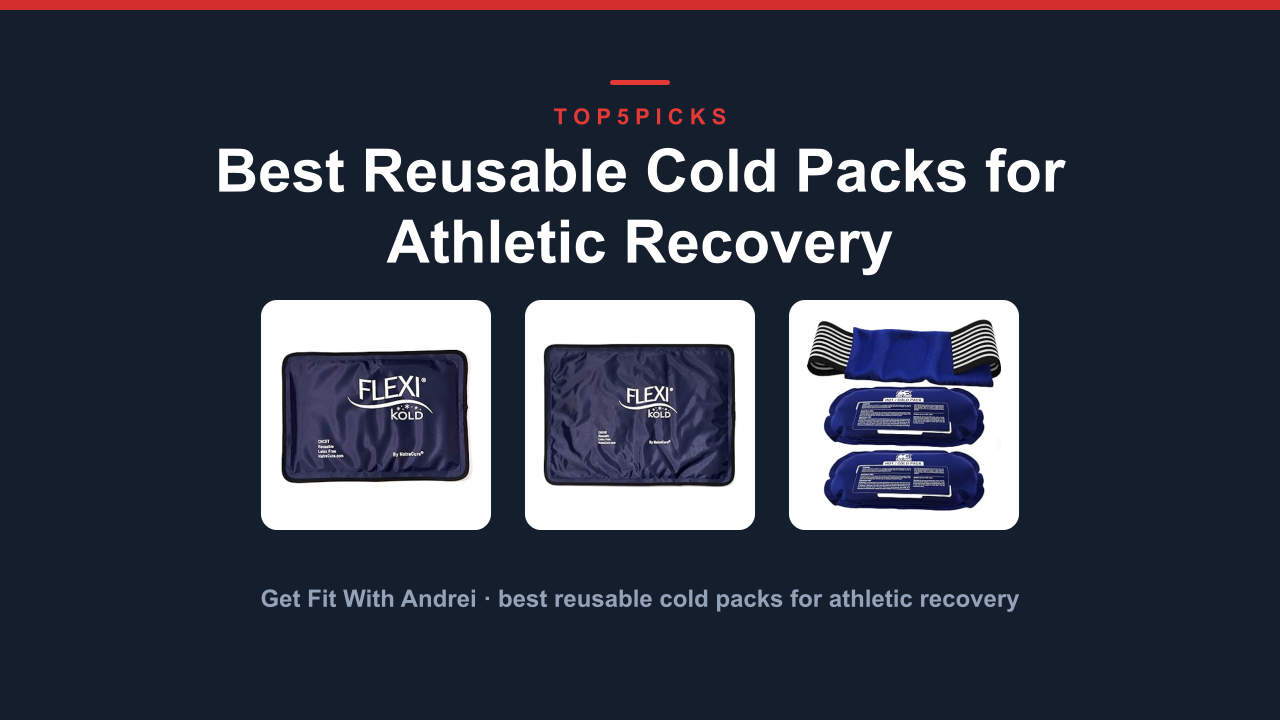
If you're after the best reusable cold packs for athletic recovery, the short answer is the FlexiKold Gel Soft Flexible Ice Pack in the 7.5 by 11 inch size. It stays genuinely pliable straight out of the freezer and carries a 4.7 out of 5 owner rating. That softness matters more than raw cold, because a pliable pack wraps a shoulder properly.
Want bigger coverage instead? The FlexiKold Standard Large stretches to 10.5 by 14.5 inches, as long as you have the freezer shelf space and a few extra hours to freeze it solid.
As an Amazon Associate, I earn from qualifying purchases.
This guide covers what actually decides whether a cold pack works: freeze time, surface area, fill type and how the seams hold up. It also flags the buyers who should skip this category entirely, including anyone who needs a powered cold therapy unit.
Every pick below is built from current Amazon listings, manufacturer specs and each product's owner track record. Nobody here strapped these to a knee in a lab, and we won't pretend otherwise.
Quick Answer: The Best Reusable Cold Packs for Athletic Recovery
A reusable cold pack only earns its spot in your freezer if it stays flexible and holds cold for a full 20-minute session, and the FlexiKold Gel Soft Flexible Ice Pack does both better than anything else in this lineup.
- FlexiKold Gel Soft Flexible Ice Packs (Best overall for everyday joint recovery): Soft from the freezer, 7.5 by 11 inch size, 4.7 out of 5.
- FlexiKold Gel Ice Packs (Standard Large (Best large coverage for back and knee): 10.5 by 14.5 inches wraps a whole knee or lumbar spine.
- Ice Packs Injuries Reusable (3-Piece Set) (Best three-pack for two people or two joints): Three wraps in one box, hot and cold, 4.6 out of 5.
- RelaxCoo 11×14.5 Large Flexible Ice Injuries (Best budget large pad for hip and shoulder): Biggest single surface here for the least outlay.
- REVIX Ice Injuries Reusable (Best hands-free wrap for moving around): Adjustable strap keeps it in contact while you walk.
Thinking about a cold therapy machine or instant chemical packs instead? Jump to Who Should NOT Buy below before you spend anything.
Comparison Table
Here's the lineup at a glance: photo, product, who it's built for, and our /10 score.
| Photo | Product | Best for | Score | Buy |
|---|---|---|---|---|
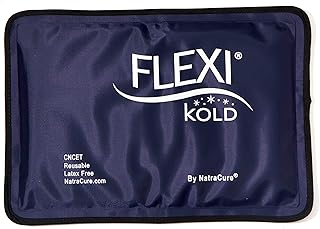 | FlexiKold Gel Soft Flexible Ice Packs | Everyday joint icing | 9.2/10 | Check price → |
 | FlexiKold Gel Ice Packs (Standard Large | Bigger areas, back and knee | 8.9/10 | Check price → |
 | Ice Packs Injuries Reusable (3-Piece Set) | Two people, two joints | 8.4/10 | Check price → |
 | RelaxCoo 11×14.5 Large Flexible Ice Injuries | Budget hip and shoulder pad | 7.9/10 | Check price → |
 | REVIX Ice Injuries Reusable | Hands-free moving around | 7.6/10 | Check price → |
Scroll sideways on small screens to see every column.
FlexiKold Gel Soft Flexible Ice Packs:
FlexiKold Gel Ice Packs (Standard Large:
Ice Packs Injuries Reusable (3-Piece Set):
RelaxCoo 11×14.5 Large Flexible Ice Injuries:
REVIX Ice Injuries Reusable:
Buying Guide: Size, Cold Hold, Rotation and How You'll Hold It On
Reusable cold packs are a simple product, and almost every disappointed review traces back to one of four things. Get these right and you'll likely still be using the same pack in two years.
How big a pack do you actually need?
Match the pad to the joint, not to your enthusiasm. These picks span 7.5 by 11 inches at the small end up to 11 by 14.5 inches at the large end, and that difference matters more than fill type for coverage.
A knee or shoulder sits comfortably under a medium pad. A lumbar spine, a full quad or a hip after surgery needs the larger footprint, which is why the bigger FlexiKold pad exists in the first place.
Overshooting has a cost too. A pad wider than the limb won't wrap, and an oversized pack takes longer to freeze through.
How long should a cold pack stay cold?
Long enough to finish a session, which the clinical guidance generally puts at around 20 minutes at a time. Clay-gel packs like the FlexiKold pair here are reported by owners to hold usable cold for that window, which is the practical benchmark.
Cheaper gel packs often feel cold fast and fade fast. That's not automatically a dealbreaker for a wrap you'll be rotating anyway, but it matters if you're relying on one pack for a single uninterrupted session.
Rotating packs beats buying one perfect pack
Cryotherapy is a cycle: cold on, then a break, then often cold again. A single pack forces you to sit out the re-freeze, which is usually two to four hours in a domestic freezer.
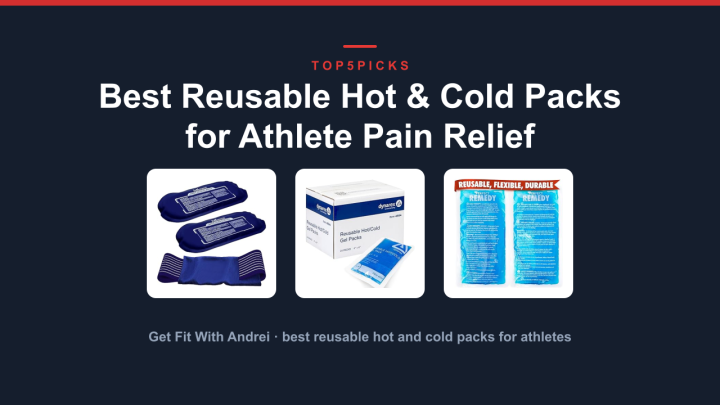
Two or three packs remove that gap entirely. The three-wrap set and the two-pack with straps are both built around this idea, so you're never waiting on your own recovery.
If you're stacking cold packs next to dumbbells and bands in a corner setup, the weights that fit a tight space are worth sorting before you buy more recovery gear.
Contact, straps and the barrier layer
Cold needs skin contact, but never direct contact. The standard advice from the National Institute of Arthritis and Musculoskeletal and Skin Diseases is to place a thin cloth or towel between the pack and your skin, and to keep sessions short.
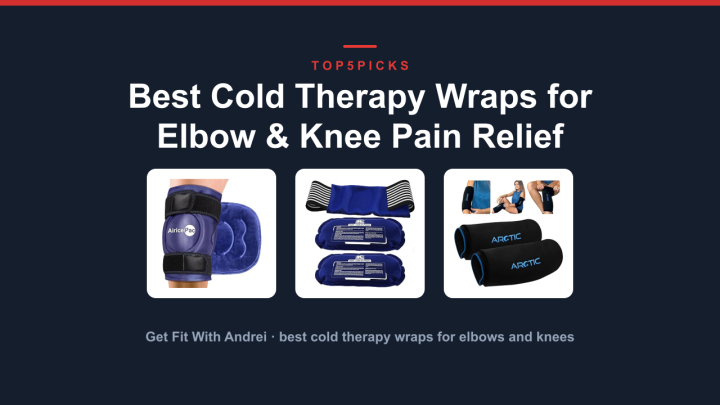
A strap solves the other half of the problem: contact while you move. Wraps with an adjustable strap suit calves, forearms and ankles, where a flat pad slides the second you stand up.
According to guidance published by the Centers for Disease Control and Prevention, cold therapy is best used for acute swelling and pain in the first days after an injury, and it shouldn't replace assessment by a clinician if pain persists. If your recovery keeps stalling, the patterns behind recurring setbacks are usually worth a look before you buy anything else.
Who Should NOT Buy Best Reusable Cold Packs for Athletic Recovery
Reusable gel packs are the wrong purchase for a few specific buyers. Here's who they are, and what to look at instead.
You Need Continuous Cold for Hours
If you need sustained, constant cold for an hour or more, a gel pack from a domestic freezer won't deliver it. The fill warms up, and no amount of strapping changes physics.
Look instead at a circulating cold therapy machine with a reservoir and pump, which holds temperature for as long as the unit runs. They cost far more and tie you to an outlet, but for post-op protocols they do a different job entirely.
You Want Cold Only, Never Heat
Gel packs that thaw slowly are also mediocre heat packs. If your routine is exclusively cold, that's fine. If you want real heat therapy, buy a dedicated heat wrap rather than asking a freezer pack to be both.
You Want Zero Setup and Zero Waiting
Instant chemical cold packs activate in seconds with a squeeze and need no freezer at all. They're single-use, which is wasteful for daily recovery but unbeatable for a gym bag or a sideline kit.
Reusable packs reward planning. If you won't plan, don't buy one.
Final Verdict
The FlexiKold Gel Soft Flexible Ice Pack wins because it solves the one thing a cold pack has to do: it stays soft, wraps the joint and holds cold for a full session. At 7.5 by 11 inches with a 4.7 out of 5 owner rating, it's the pack most people should just buy.
Want full coverage for a back or a post-op knee instead? Get the FlexiKold Standard Large, which spreads the same clay-gel build over 10.5 by 14.5 inches.
Need two joints iced at once, or two people sharing one kit? The three-piece set gives you rotation without the wait.
On a tight budget and still want maximum surface area? The RelaxCoo large pad covers the most skin for the least outlay, just with a shorter track record behind it.
And if you can't lie still for 20 minutes, the REVIX two-pack with straps keeps the cold on while you carry on with your day.
If you're in one of the groups above who needs continuous cold or instant single-use packs, head back to the Who Should NOT Buy section before you spend anything.
FAQ
What's the best Reusable Cold Packs for Athletic Recovery overall?
The FlexiKold Gel Soft Flexible Ice Pack in the 7.5 by 11 inch size. It stays pliable at freezer temperature, holds usable cold for a typical 20-minute session and carries a 4.7 out of 5 owner rating, which is the strongest combination of fit and reliability in this lineup.
How long should you leave a reusable cold pack on?
Around 20 minutes at a time, always with a thin cloth between the pack and your skin. Longer isn't better: the goal is to reduce swelling and calm pain, not to numb the area into a frozen block. Wait at least an hour before repeating.
Are gel cold packs better than clay-fill packs?
Clay-fill packs like the FlexiKold range tend to stay flexible when frozen and hold cold longer, which is why they lead this list. Standard gel packs are usually lighter and freeze faster but warm up sooner. For a 20-minute session, clay-gel is the more forgiving choice.
Can you use a reusable cold pack for heat too?
Some can. The three-piece set and the REVIX two-pack are both labelled hot and cold, and you warm them in hot water or the microwave. Never microwave a pack that isn't marked for it, and never overheat one, because the seams are the weak point.
How many cold packs should you own?
Two is the practical minimum if you're icing daily, because one can refreeze while you use the other. Three is better if two people in the house are recovering, or if you're treating a knee and a shoulder in the same week.
Do reusable cold packs expire?
The gel doesn't expire in a meaningful way, but the seams and outer fabric do. Inspect the edges every few weeks and stop using any pack that leaks or feels unusually stiff. A pack that weeps gel onto your skin isn't worth keeping.
This guide is for general information only and isn't medical advice. If you're recovering from surgery, managing a chronic condition or unsure how long to ice, talk to a qualified clinician. For how our editorial team handles sourcing and disclosures, see how we work and our content policies.

Similar Posts