Best Assisted Dip Bands to Help Beginners Master Dips
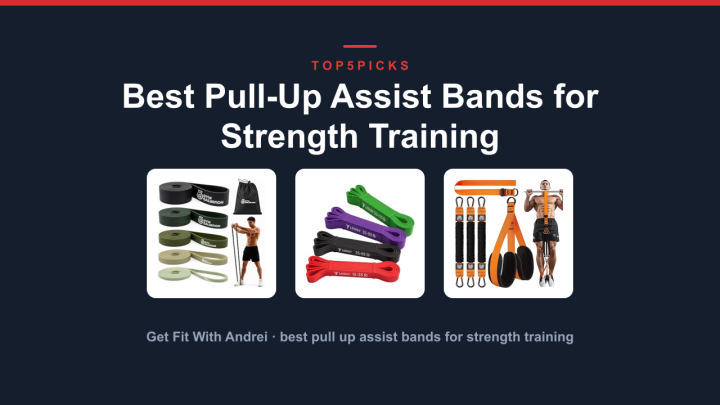
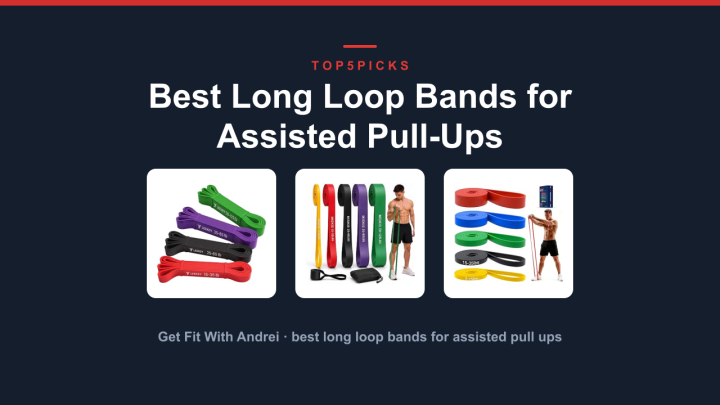
The best best assisted dip bands for beginner lifters is the HAPBEAR Pull Up Assistance Bands, the only five-band set here that lets you start with real assistance and step down smoothly as you get stronger. It's built for the lifter who can't yet lock out a single bodyweight dip.
Want a fixed, pedal-style rig instead? The YYJO Heavy Duty Pull Up Assistance is your pick, as long as you accept a bulkier frame and an owner rating that sits a notch below the simple loop sets.
As an Amazon Associate, I earn from qualifying purchases.
This guide covers what most listings skip: which band weights actually suit a 130 lb beginner versus a 220 lb one, and why the wrong anchor choice stalls your first rep. A few buyers should skip bands entirely, and we say so below.
Everything here comes from current Amazon product data, published specs and each product's owner track record. We haven't unboxed these ourselves, so treat the numbers as research findings rather than lab results.
Quick Answer: The Best Assisted Dip Bands for Beginner Lifters
The HAPBEAR Pull Up Assistance Bands take the top spot, backed by a 4.5 out of 5 owner rating and five distinct assistance levels in one bundle.
- HAPBEAR Pull Up Assistance Bands (Best Overall for Beginners): Five colour-coded latex bands, one smooth progression curve.
- YYJO Heavy Duty Pull Up Assistance (Best Adjustable Pedal Setup): Six levels, padded foot pedals and knee rests in one portable frame.
- Pullup & DIP Fitness Bands (Best Complete Starter Kit): Door anchor, carry bag and exercise guide included from day one.
- LEEKEY Resistance Bands Pull Up Assistance (Best Owner Ratings): The highest buyer score here at 4.6 out of 5.
- HOXWC Pull Up Assistance Bands (Best Comfort Padding): Fabric feet and knee rests that kill the kneepad pinch.
Thinking about a cable stack or assisted dip machine instead? Jump to Who Should NOT Buy below before you spend anything.
Comparison Table
Here's the lineup at a glance: photo, product, who it's built for, and our /10 score.
| Photo | Product | Best for | Score | Buy |
|---|---|---|---|---|
 | HAPBEAR Pull Up Assistance Bands | Best Overall for Beginners | 8.9/10 | Check price → |
 | YYJO Heavy Duty Pull Up Assistance | Best Adjustable Pedal Setup | 8.5/10 | Check price → |
 | Pullup & DIP Fitness Bands | Best Complete Starter Kit | 8.3/10 | Check price → |
 | LEEKEY Resistance Bands Pull Up Assistance | Best Owner Ratings | 8.2/10 | Check price → |
 | HOXWC Pull Up Assistance Bands | Best Comfort Padding | 7.9/10 | Check price → |
Scroll sideways on small screens to see every column.
HAPBEAR Pull Up Assistance Bands: Best Overall for Beginners
YYJO Heavy Duty Pull Up Assistance: Best Adjustable Pedal Setup
Pullup & DIP Fitness Bands: Best Complete Starter Kit
LEEKEY Resistance Bands Pull Up Assistance: Best Owner Ratings
HOXWC Pull Up Assistance Bands: Best Comfort Padding
Buying Guide: Resistance Range, Adjustability, Comfort and Durability
The single biggest mistake a beginner makes is buying one heavy band. A band rated for 50 to 80 lb of assistance doesn't scale with you, and within a month or two you'll be sticking your knees out to make the rep harder.
Resistance bands for assisted dips are essentially elastic resistance tools, and the tension they deliver rises as they stretch. That's why a band feels light at the top of a dip and very firm at the bottom, where your chest is deepest.
How much assistance do you actually need?
Match band resistance to your bodyweight, not to a marketing label. A lifter around 130 lb usually wants the lightest band in a set for their first assisted dip, while someone near 220 lb may need two bands stacked for the same five reps.
The HAPBEAR five-band set covers that spread in one order. The level options in this set run from beginner-light to moderately heavy, so you can add or remove assistance instead of buying a second product.
Adjustable or fixed length?
Fixed loop bands are simpler and lighter. Adjustable setups trade a little convenience for finer control over tension, which is why the YYJO and HOXWC both chose adjustable designs.
If you train in a public gym or travel, a fixed loop that folds into a pocket wins. If you train at home and want one rig that grows with you, adjustable is the better long game.
Padding and durability are the quiet dealbreakers
Bare latex against bare skin gets uncomfortable fast. Padded feet and knee rests fix that, which is exactly the gap the HOXWC set fills. Owner feedback on the YYJO pedals tells a similar story.
Latex does degrade. Ultraviolet light and heat are its two worst enemies, and most band brands void any claim once a band has been left in direct sun. Check the liability terms on this site before assuming a failed band is covered.
Store bands flat, cool and dark. A drawer beats a car boot, and that single habit is why some owners are still using the same LEEKEY band years later.
Anchor points and where you train
For dips you'll loop the band over the bars or under your knee, depending on the setup. For pull-up work you may need a bar, a door anchor or a sturdy rack, which is where the complete starter kit earns its place.
Never anchor to a door handle alone. Use a proper anchor plate that sits over the top of a closed and latched door, and inspect it before every session.
If your training space is small, space-saving setups for tight rooms pair well with a band set, and you won't need a full dip machine to make progress.
Who Should NOT Buy Best Assisted Dip Bands for Beginner Lifters
Assisted dip bands are the wrong purchase for three kinds of buyers. Here's who they are, and what to look at instead.
You need a fixed, repeatable resistance number
Bands don't give you an exact poundage. The resistance climbs through the range of motion, so a band that helps you off the bottom is nearly useless at the top.
If you're following a program that prescribes precise assistance weight, an assisted dip machine or a cable stack with a weighted assistance plate is the honest answer. Bands are for feel, progression and volume, not for logged loads.
You already do five strict bodyweight dips
Once you can knock out five clean bodyweight dips, band assistance mostly stops being the limiter. At that point you're better served by adding load than subtracting help.
The next logical purchase is a dip belt with plates, or a weight vest. Bands stay useful for pull-up negatives and mobility work, so keep them, just don't expect them to keep driving your dip strength.
You want zero setup and zero maintenance
Bands need storing, inspecting and eventually replacing. They stretch out, they get nicked, and latex perishes. It's mild, but it is real.
If that sounds annoying, a dedicated dip station or a gym membership removes the maintenance entirely. Bands are cheap and portable, and those two advantages come with a small ongoing cost in care.
Final Verdict
The HAPBEAR Pull Up Assistance Bands stay our top pick because five resistance levels in one box means you buy once and progress for months. The 4.5 out of 5 owner rating backs that up.
Want padding under your knee instead of latex? Get the HOXWC Pull Up Assistance Bands, which trades a couple of levels for comfort where it counts.
Need the whole starter package in one order? The Pullup & DIP Fitness Bands bring a door anchor, bag and guide. And if review counts are what you trust most, the LEEKEY set holds the highest rating here.
If any of the three scenarios in Who Should NOT Buy describes you, put the bands down and look at a machine or a dip belt instead. That's real advice, not a sales line.
FAQ
What's the best Assisted Dip Bands for Beginner Lifters overall?
The HAPBEAR Pull Up Assistance Bands take the top spot. Five colour-coded levels give you a full progression path from heavily assisted reps to near-bodyweight sets, and the 4.5 out of 5 owner rating confirms it holds up.
How many days a week should a beginner train assisted dips?
Two sessions a week is plenty at the start. The CDC's physical activity guidance recommends at least two days of muscle-strengthening work weekly for adults, and dips are a demanding pushing movement, so recovery matters.
Will one band be enough, or do I need a full set?
A set is almost always the smarter buy. A single fixed band stops being challenging within weeks, whereas the five-band HAPBEAR set lets you drop assistance in small steps without buying again.
Bands or an assisted dip machine for a total beginner?
Bands win on price, portability and storage. A machine wins on repeatable numbers and zero maintenance. If you're unsure, start with bands and switch once you can do five unassisted dips.
How long do resistance bands last?
Expect roughly one to two years with regular use and proper storage. Heat and direct sunlight are the main killers, so keep them in a cool, dark drawer and inspect for nicks before each session. If you hit a snag on programming, our notes on common training snags are a good place to look.
Where can I ask about a specific set before buying?
If you want a hand matching a band to your bodyweight, reach out through the contact page. And if you're curious how these roundups are put together, the story behind the site explains our research process.

Similar Posts